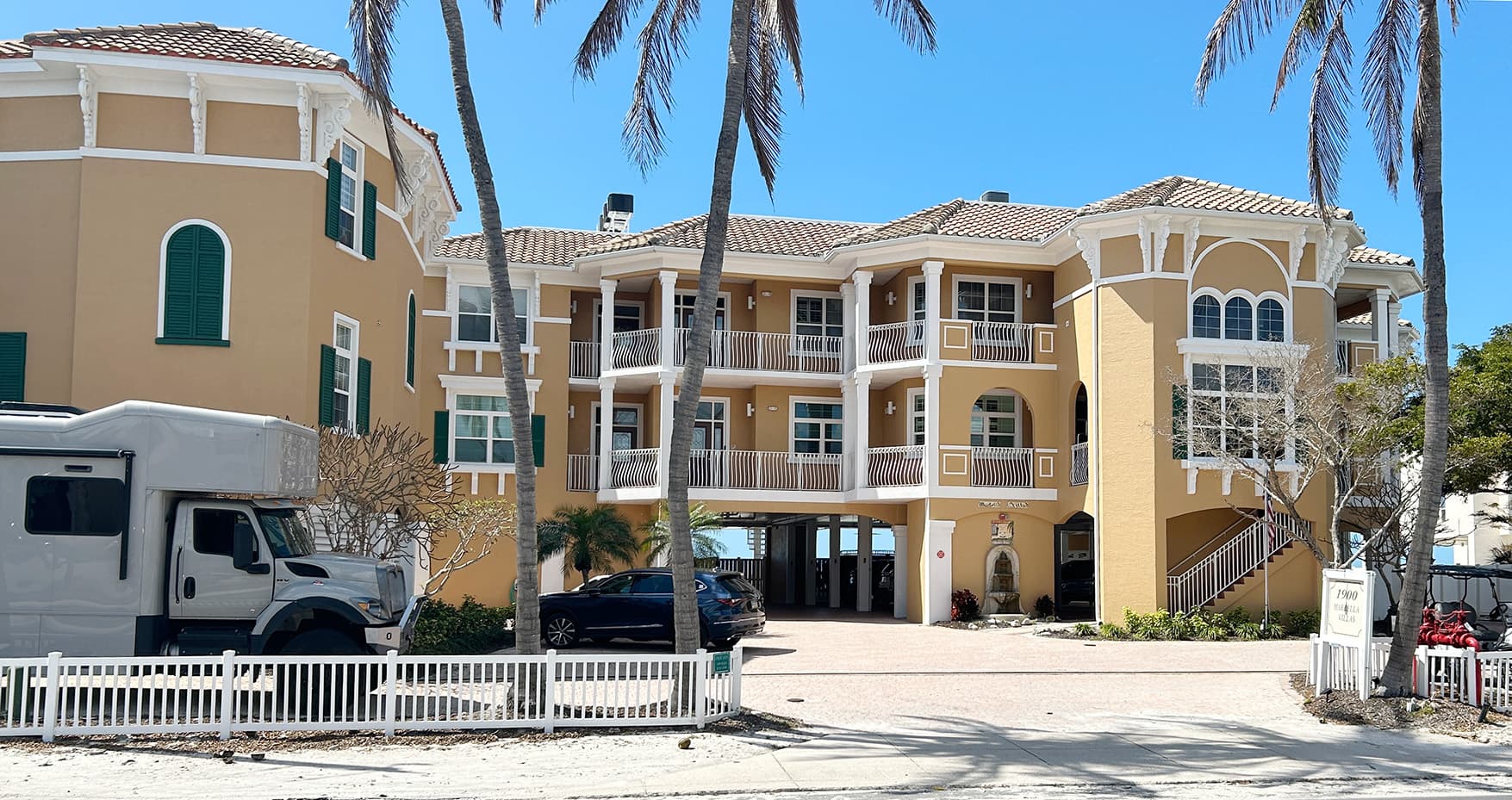
Buying a Beachfront Condo in Miami? 12 Inspection Issues Unique to Coastal Properties
A high-rise unit overlooking the Atlantic, a salty breeze on the balcony, and a sunset over Biscayne Bay — there are few real estate experiences as iconic as buying a Miami beachfront condo. But the same ocean that sells the lifestyle is the one quietly eating the building twenty-four hours a day.
Coastal condos in Miami Beach, Sunny Isles, Bal Harbour, Surfside, Key Biscayne, and Fisher Island face wear-and-tear that no inland property ever sees. If you're buying one — whether as a primary, a second home, or an investment — your inspection checklist needs to be different.
Here are the 12 issues every coastal condo buyer should put on the table before they close.
1. Concrete Spalling and Rebar Corrosion
Salt-laden air drives chloride ions deep into concrete, where they reach the steel reinforcement (rebar) and start a corrosion process that expands the steel by up to 7 times its original volume. The expansion cracks the concrete from inside, eventually causing chunks of slab, balcony edges, or column corners to fall away. This is called "spalling," and on coastal high-rises, it's the single most important structural concern.
What to look for: rust streaks on concrete, popping or flaking surfaces, visible rebar, and any spider-cracking around balcony edges.
This is the same failure mode that drove the Surfside reforms and the new Florida condo inspection laws. Take it seriously.
2. Balcony Slabs and Railings
The balcony is the most exposed structural element on any beachfront tower. Slabs face salt spray, repeated rain pooling, and cantilevered loads, while railings face direct UV and chloride attack at every fastening point.
Inspectors look for: cracked or sloping slab surfaces, soft drainage, deteriorated coating, rusted post anchors, and play in the railing when force is applied at the top rail.
A failed balcony is both a structural and a life-safety issue. Document it carefully.
3. Window and Door Frame Corrosion
Aluminum window frames in coastal towers are especially vulnerable to galvanic corrosion where dissimilar metals meet — typically the aluminum frame and steel anchors. Older buildings often show white powder oxidation, frame pitting, sticking sliders, and gaps between frame and wall.
Failed frames let in water during storms, drive up energy bills, and can be expensive to replace once corrosion has reached the structural anchor.
4. Hurricane Impact Glass and Shutters
Florida's modern code requires impact protection in coastal zones, but many older units still have non-impact glass with shutters that may or may not function. Verify:
- Glass rating — etched or stamped at the corner of each pane
- Shutter operation — does each shutter open, close, and lock?
- Coverage — every opening, including patio sliders and bedroom egress
- Documentation — current wind mit form on file with the HOA and insurer
Coastal units without impact protection face higher premiums, harder insurability, and bigger storm risk. We cover the savings side in our wind mitigation guide.
5. HVAC Systems and Salt-Air Exposure
Coastal HVAC equipment lives under siege. The condenser coils, mounted on rooftops or balcony pads, corrode 3–5 times faster than equivalent equipment ten miles inland. Telltale signs of failure:
- Heavy white or green oxidation on copper lines and coils
- Crusty fin deterioration on the condenser
- Short equipment life (10–12 years vs. 15–20 inland)
- Refrigerant leaks at flare connections
Coastal-rated equipment with e-coated coils and aluminum cabinet protection lasts longer. Ask whether the seller installed standard or coastal-spec equipment, and confirm it on the inspection.
6. Plumbing and Saltwater Intrusion
In coastal high-rises, plumbing failures cluster around two areas:
- Cast-iron drain stacks (common in pre-1990 towers) corroding from the inside, causing slow drains, odors, and eventually pinhole leaks that flood units below
- Copper supply lines that develop blue-green pinhole corrosion in salt-rich environments
Listen for slow drains during the inspection. Check for water staining on ceilings (often from a unit above) and around plumbing chases. The HOA may have records of recent re-piping or upcoming assessments — ask.
7. Roof, Pool Deck, and Common-Area Waterproofing
You're not buying just your unit — you're buying a share of the building. The two highest-cost common areas are:
- The roof — which on a coastal tower takes UV, salt, and storm damage simultaneously
- The pool deck and parking garage decks — which need waterproofing membranes that fail in 15–25 years
Ask for the most recent reserve study and structural integrity report. Buildings with deferred work in these areas are sitting on special assessments that can land on owners with little warning.
8. Reserve Funding and Special Assessments
This isn't a structural issue — it's a financial one, and on coastal condos it can dwarf the cost of any individual repair. Florida's post-Surfside laws require fully funded reserves and milestone structural inspections for buildings of 30+ years old or 25+ years if within 3 miles of the coast.
Before you close:
- Request the most recent reserve study
- Request the last two years of HOA financials
- Ask about any assessments approved or being discussed
- Ask about any insurance claims filed in the past five years
A "great deal" condo with a $50,000 special assessment on the way isn't a great deal.
9. Insurance Coverage Gaps
Coastal insurance is its own minefield. The HOA's master policy typically covers the building exterior, common areas, and some unit components — but the line varies by association. As an individual owner, you'll need an HO-6 walls-in policy plus likely a separate flood policy through the National Flood Insurance Program or a private carrier.
Common gaps to verify:
- Hurricane deductibles — often 2–10% of dwelling value, separate from other deductibles
- Wind exclusions in private coverage
- Flood limits that fall short of the unit's actual replacement value
- Loss assessment coverage for HOA-driven assessments after a covered event
Hand the master policy to an independent insurance agent before closing. Don't rely on the seller's interpretation.
10. Mold, Mildew, and Humidity Control
Coastal high-rises run high humidity year-round. Units that sit unoccupied or under-ventilated develop mold colonies inside HVAC ducts, behind drywall, and around bath fans — sometimes invisible but smellable. Common signs:
- Musty odors that hit you on entry
- Black or green spotting around vent registers
- Bubbling paint and soft drywall near plumbing or windows
- Excessive condensation on glass surfaces
If anything seems off, mold testing is non-negotiable. We've covered this in depth in 10 warning signs of mold toxicity.
11. Elevator, Garage, and Mechanical Systems
The shared mechanical infrastructure of a coastal tower is a major capital investment. Look at:
- Elevator age and modernization history — coastal towers often need motor and controls upgrades every 20–25 years
- Parking garage condition — concrete deterioration, drainage, and lighting
- Generator and life-safety systems — many older buildings are upgrading to meet new resilience standards
- Fire suppression — sprinkler retrofits remain a common large-cost project
Each of these can drive an assessment. Ask about scheduled work in the next five years.
12. Sea-Level Rise and Long-Term Resilience
This is the issue nobody wants to talk about, but every coastal buyer should think through. South Florida is experiencing real king tide flooding, groundwater rise, and saltwater intrusion in low-lying neighborhoods.
Before you commit, look at:
- Flood zone designation (X, AE, VE) and elevation certificate
- Building elevation relative to grade — is the lobby at risk during king tides?
- Storm surge maps for the building's address
- Local resilience improvements — pump stations, road raising, seawall upgrades — that may be planned or funded
A building's value is tied to the long-term outlook of its block. Buy with the 20-year picture in mind, not just the listing photos.
What a Beachfront Condo Inspection Should Include
A standard home inspection checklist isn't enough for a coastal high-rise. Make sure your inspector includes:
- Detailed balcony, slab, and railing review
- Salt-air corrosion assessment of HVAC and plumbing
- Window and door frame condition and ratings
- Mold and moisture screening in vulnerable areas
- A review of the most recent structural integrity report if available
- A walk of common areas relevant to upcoming reserves
If your inspector isn't familiar with post-2022 Florida condo inspection requirements, find one who is.
Frequently Asked Questions
Is a beachfront condo really worth the maintenance? Coastal condos appreciate strongly over the long run, but only with realistic budgeting for maintenance, insurance, and assessments. Go in with eyes open.
How often does a coastal condo need re-painting and waterproofing? Exterior coatings typically need refresh every 5–10 years on coastal towers, vs. 15–20 years inland. Major waterproofing membranes have a 20–25 year service life under coastal conditions.
Are pre-2002 coastal condos still safe to buy? Many are, but they need extra scrutiny. Older buildings predate modern code and have decades of cumulative salt exposure. The new milestone inspection requirements were specifically designed to surface issues in older towers — review the building's reports carefully.
What does a coastal condo inspection typically cost? A thorough single-unit inspection in Miami runs $400 to $800 depending on size and complexity. Add-ons like mold testing and balcony assessments are typically $200–$500 each.
Can I waive the inspection in a competitive offer? Strongly discouraged. Even in a multiple-offer scenario, a brief inspection contingency is worth keeping. Coastal buildings have too many high-cost variables to walk in blind.
Should I read the HOA documents before the inspection? Yes. Reserve studies, structural integrity reports, and meeting minutes will tell you what the building's leadership already knows. Bring questions to the inspection based on what you find.
The Bottom Line
A Miami beachfront condo is a remarkable property to own — and one of the most demanding from an inspection standpoint. The buildings that hold up best are owned by buyers who understood the structural, environmental, and financial picture going in. The ones that disappoint are bought on the lobby finishes alone.
If you're under contract on a coastal condo, build your inspection list around these 12 issues and walk in armed with the right questions. The cost of doing it right is a fraction of what a single missed issue can cost you after closing.
Buying a coastal condo in South Florida? Schedule an inspection with Infinity Inspector or call 305-613-8010. We've inspected coastal towers from Sunny Isles to Key Biscayne, and we know exactly what to look for.
For more buyer-side guidance, see our cheat sheet on questions to ask your home inspector.